
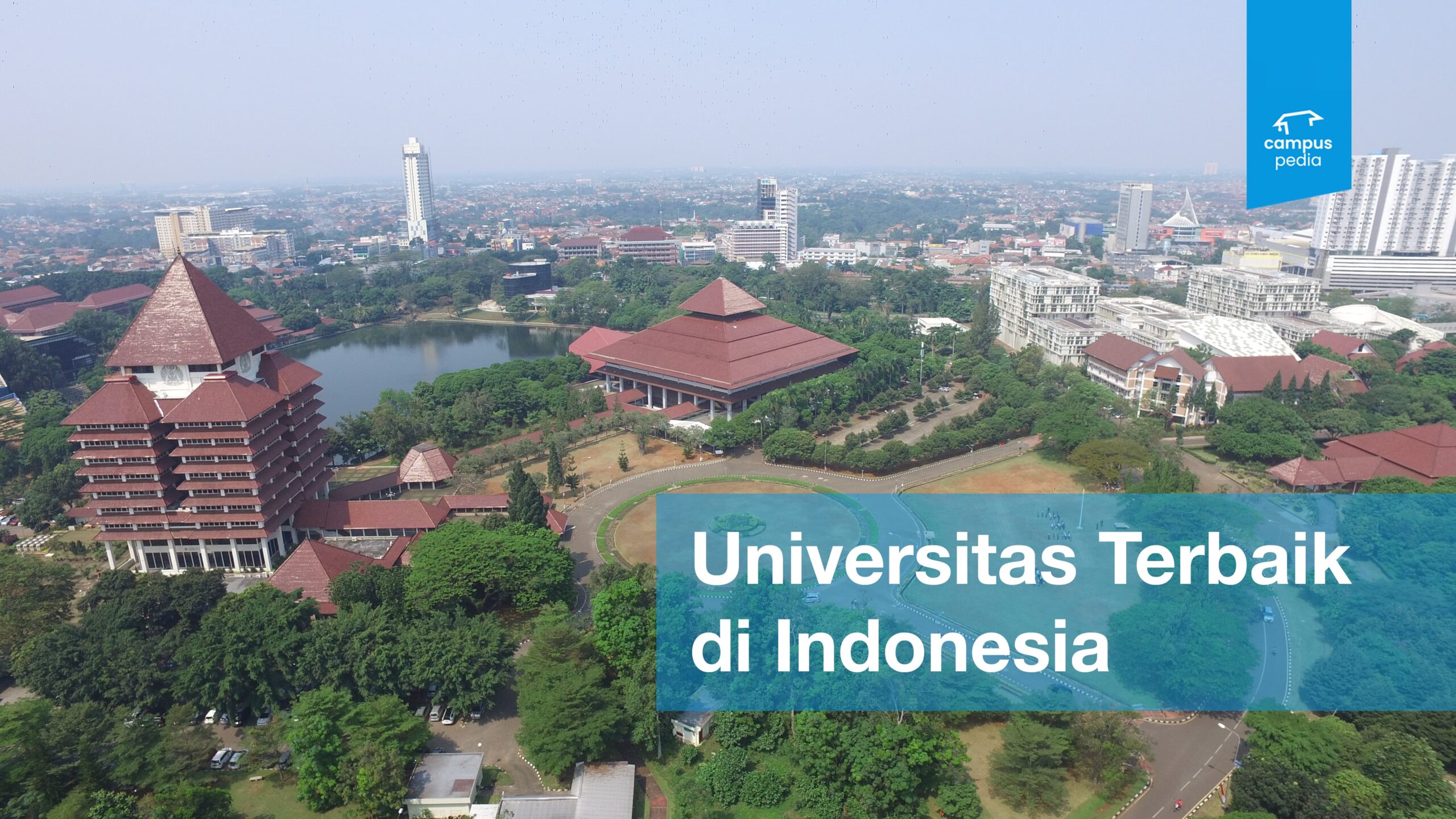
Ranking Universitas Aceh: An In-Depth Analysis of Academic Performance
Universitas Aceh, established in 1961, stands as a seminal institution in Indonesia’s educational landscape. As academic rankings increasingly influence students’ choice of universities, it becomes essential to dissect the various factors contributing to Universitas Aceh’s academic performance. This article provides an in-depth analysis of the university’s rankings, research output, faculty qualifications, and student engagement.
1. Academic Rankings Overview
Universitas Aceh consistently appears in various national and international university rankings. The institution is primarily evaluated through platforms like QS World University Rankings, Times Higher Education, and Webometrics. Each of these rankings uses distinct metrics to gauge academic performance, such as academic reputation, employer reputation, faculty/student ratio, and research productivity.
In recent years, Universitas Aceh has shown notable improvement, particularly in the QS ranking, where it has climbed the ranks due to enhanced research outputs and a growing number of international collaborations. However, it still faces challenges in global visibility compared to more established universities in Java and Bali.
2. Research Output
Research is a pivotal component of any academic institution’s evaluation. Universitas Aceh has made strides to enhance its research output, focusing on local issues such as environmental conservation and sustainable development. Publications from academics have increasingly appeared in reputable journals, which contributes positively to institutional rankings.
In 2022, Universitas Aceh witnessed a 30% increase in published research papers compared to the previous year, with a significant focus on interdisciplinary studies. Collaborative efforts with international institutions also play a vital role in fostering a strong research culture, thereby improving its rankings.
3. Faculty Qualifications and Experience
The quality of faculty members is another critical factor influencing university rankings. Universitas Aceh employs a balanced combination of experienced professionals and fresh PhD graduates. Approximately 60% of the faculty holds doctoral degrees, with many possessing experience from overseas institutions.
The university actively encourages its academic staff to engage in continuous professional development through workshops and seminars, which not only enhances teaching quality but also uplifts the overall academic environment. Faculty members are increasingly involved in research projects that address global challenges, reinforcing their role in the university’s rising academic profile.
4. Student Engagement and Academic Support
Student engagement is crucial for a university’s success and reputation. Universitas Aceh has instituted several programs aimed at enhancing student experience and engagement, ranging from extracurricular activities to academic counseling.
Initiatives like the Student Consumer Council and various student-led organizations foster a vibrant campus life, ensuring that students are not only academically prepared but also socially responsible citizens. Academic support, including tutoring and mentorship programs, is available to promote academic success among students.
5. Community Engagement and Outreach Programs
A pillar of Universitas Aceh’s mission is its commitment to community service. The university engages actively with local communities through outreach programs that aim to address regional challenges such as poverty and education. These programs have made a significant impact, contributing to the overall reputation of the university. The community involvement is not only vital for social responsibility but also plays a role in improving rankings, as social impact is increasingly considered by ranking organizations.
6. International Collaboration and Partnerships
In the age of globalization, international partnerships are instrumental in enhancing academic prestige. Universitas Aceh has established numerous collaborations with foreign universities for joint research projects and exchange programs. Such partnerships expand the university’s academic horizons and improve its global visibility, which is a substantial factor in global rankings.
Universitas Aceh’s efforts to attract international students have also been beneficial, creating a more diverse campus environment that enriches the academic experience for both domestic and international students. By hosting international conferences and workshops, it has positioned itself as a regional hub for academic discourse.
7. Infrastructure and Learning Facilities
Modern infrastructure plays a crucial role in enhancing the learning experience. Universitas Aceh has invested in developing its facilities, including modern lecture halls, research labs, and libraries equipped with digitally accessible resources. Such improvements cater to the growing demands of contemporary education and significantly impact student satisfaction and retention rates, which are critical in rankings.
Digital learning environments have also been prioritized, allowing students to engage in hybrid learning experiences. The shift towards incorporating technology into education has made the university more attractive to prospective students, thereby potentially influencing future rankings positively.
8. Alumni Contributions and Success Stories
Alumni success is often a reflection of a university’s academic quality. Universitas Aceh takes pride in its alumni, many of whom have excelled in various fields, including politics, business, and academia. The university actively engages its alumni through networking programs and events, highlighting their achievements and contributions to society.
Alumni feedback plays a significant role in shaping the university’s academic programs and curriculum, ensuring they remain relevant to industry needs and societal expectations. Such connections foster a supportive ecosystem that can influence positive perceptions about the institution, ultimately affecting its rankings.
9. Conclusion
By systematically evaluating these factors—academic rankings, research output, faculty quality, student engagement, community outreach, international collaboration, infrastructural developments, and alumni success—Universitas Aceh presents a multidimensional portrait of an institution striving for excellence. Continuous improvement in these areas will be paramount as it seeks to enhance its standing in both national and international academic landscapes.